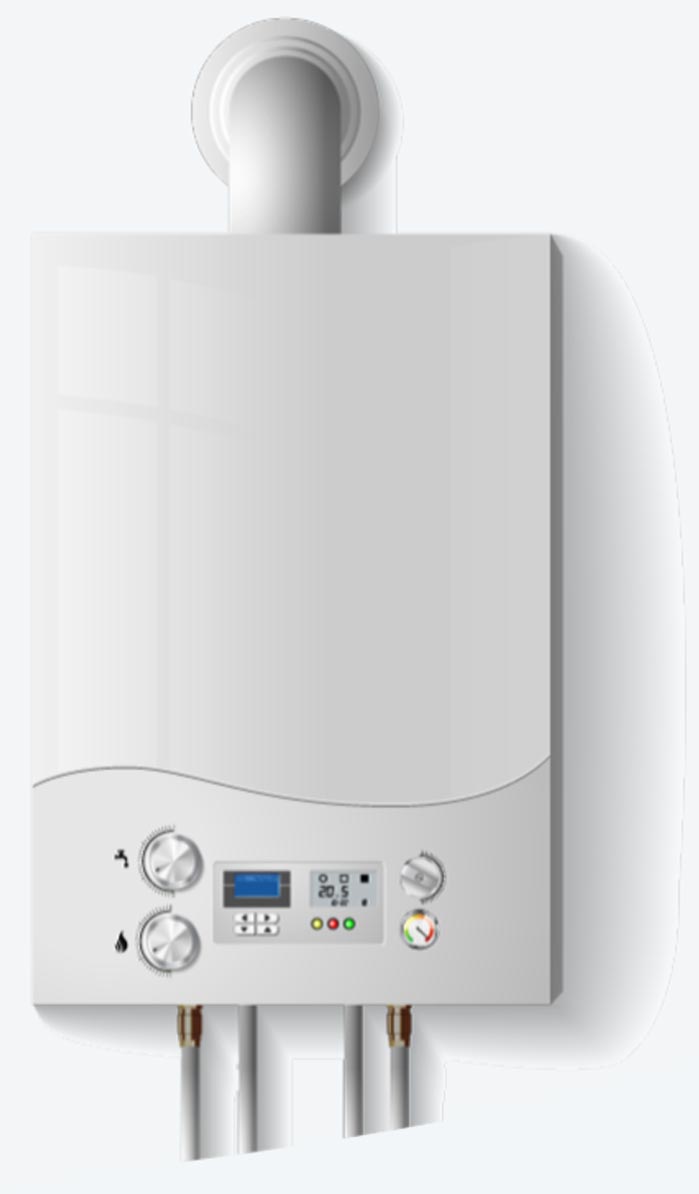
Boiler Installation Plumbers in London
When your boiler runs into trouble it can prove very disruptive, cutting off your warm water supply, creating plenty of noise or even letting out a potentially harmful gas. Sadly, no boiler will last forever, so you need a team of trustworthy, fast-thinking and professional plumbers to install you a new one.
At UKOOA we have just that. Our boiler plumbers are fully insured and accredited, available 24 hours a day, 7 days a week and are on hand for fast and affordable boiler installation services.